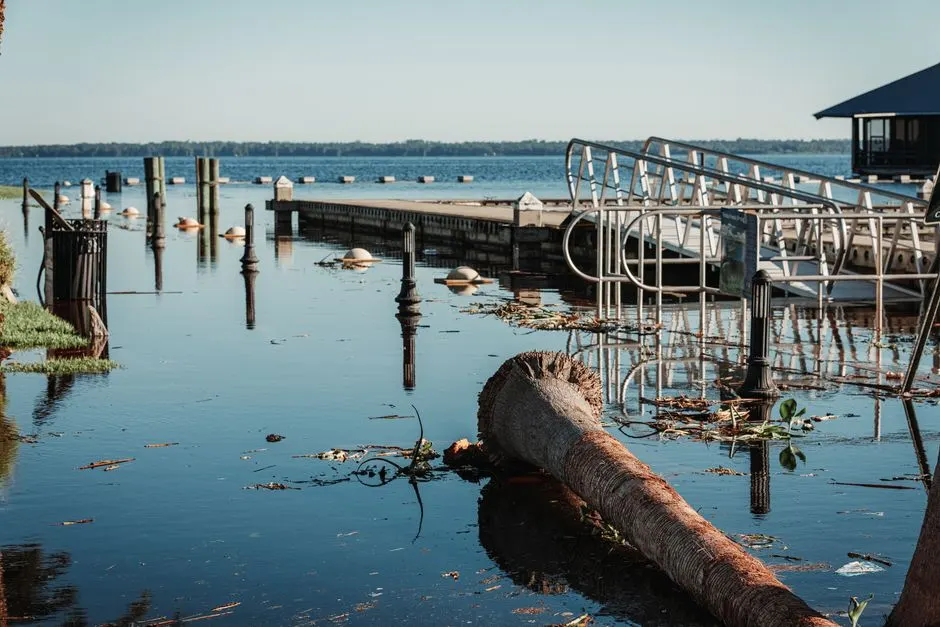
Shut off the water at the main valve, kill power to any wet rooms at the breaker, and get standing water out of the house within the first hour. That is the short answer to emergency water removal in North Hills California what to do in the first hour, and those three moves prevent more damage than anything else you can do before a crew arrives. The rest of this post walks through the exact order of steps, the mistakes that cost homeowners thousands, and when to stop handling it yourself and call us.
Emergency water removal is the process of stopping an active water source, extracting standing water, and drying the structure before mold and rot set in - usually within 24 to 48 hours of the leak. In North Hills, that clock starts the moment you see water, not the moment you call someone.
The first 60 minutes, in order
North Hills homes sit in a mix of 1950s ranch houses, mid-century apartments, and newer infill builds, and each one fails differently when water gets loose. The order below is the same one our technicians follow on arrival, and you can start it yourself in the first ten minutes.
- Stop the source. Main shutoff is usually at the front of the house near the street, in a ground box, or against the garage wall. Turn it clockwise until it stops. For a water heater, close the cold inlet on top of the tank.
- Kill the power. If water is anywhere near outlets, appliances, or a subpanel, flip the breaker for those rooms. Never stand in standing water to do it.
- Document everything. Thirty seconds of phone video before you touch anything is worth more than an hour of arguing with an adjuster later.
- Lift what you can. Rugs, cardboard boxes, electronics, and furniture legs go up on blocks or out to the driveway.
- Start extraction. A wet/dry shop vac, a mop and bucket, or towels - anything that gets bulk water off the floor. Every gallon you pull out is a gallon we do not have to.
- Call for help. If the water is more than a shallow puddle, or it came from a toilet, sewer line, or outside, call before you finish step five.
If the leak is coming from inside a wall or under the slab, shutting the main is only half the fix. That is where our water leak restoration in North Hills, California team comes in - we find the actual break, repair it, and dry the cavity behind it so the same wall does not come back wet in three weeks.
How do I stop water damage from spreading in North Hills California?
You stop water damage from spreading by removing the water source, then removing the water itself, then removing the moisture that is left in the air and materials. Skip the third step and mold starts within 24 to 48 hours, even though the floor feels dry to the touch.
Water travels in three directions at once: down through flooring, sideways along joists, and up into drywall through capillary action. In a typical North Hills slab-on-grade ranch house, a supply line failure under the kitchen sink can wick six to eight feet into the adjacent hallway drywall in under two hours. That is why we do not just vacuum the visible puddle.
Here is what actually stops the spread:
- Extraction first. Truck-mounted and portable extractors pull water out of carpet, pad, and hardwood seams far faster than towels ever will.
- Air movement. We set high-velocity air movers along the wall line, not in the middle of the room, to push moisture out of the cavity.
- Dehumidification. A 70-pint residential dehumidifier is not enough for a flooded room. We run commercial LGR units that pull 100 to 150 pints per day.
- Moisture mapping. Pin meters and thermal cameras tell us where the water actually went, not where it looks like it went.
For anything involving a toilet backup, the water is category 3 - contaminated - and the rules change completely. You do not want to be handling that with a mop. Our toilet overflow cleanup in North Hills, California crew treats those calls as biohazard jobs, which means containment, PPE, and disposal rather than a shop vac and a fan.
What to do before emergency water removal arrives in North Hills CA
Before our truck pulls up, the most useful thing you can do is keep the damage from getting worse and keep yourself safe. Most of our calls come from the 91343 ZIP code and the streets around Sepulveda and Nordhoff, and the drive time is usually 30 to 60 minutes depending on traffic on the 405.
While you wait:
- Move furniture onto foil or plastic squares so wood legs do not stain the carpet.
- Pull up the corners of any area rug that is sitting on wet carpet. Do not try to lift a soaked rug by yourself - they weigh 80 to 100 pounds wet.
- Prop up sofa and chair cushions so air can move underneath.
- Open interior doors and run your ceiling fans if the power is safe.
- Do not run your central HVAC if the water is anywhere near the air handler or ductwork.
- Do not use a household vacuum to pull water. It will short out and it will not survive the job.
If the water is coming in from outside - a blocked drain, a storm, or a backed-up sewer - the priority shifts. We handle those as flood restoration services in North Hills, California, which means we start with water source control and contamination testing before we ever plug in an extractor.
Why the first hour matters more than anything else
The first hour matters because water damage is exponential, not linear. A small leak that sits for 60 minutes is a carpet problem. The same leak that sits for 24 hours is a subfloor, drywall, and mold problem.
Here is the timeline we work against on every job:
- 0 to 60 minutes: water spreads through flooring and into the nearest wall cavity. Carpet pad is saturated and usually has to go.
- 1 to 24 hours: drywall softens, furniture finishes bleed, and metal fixtures start to tarnish. Musty odor begins.
- 24 to 48 hours: mold spores germinate. This is the point of no return for a lot of porous materials.
- 48 hours to 1 week: structural wood starts to swell and warp. Floorboards cup. Subfloor delaminates.
- Beyond 1 week: mold colonies are visible, drywall has to be cut out, and the job cost typically triples.
That last line is the one that matters. A job that would have been a $1,200 to $2,500 extraction and drying in the first 24 hours turns into a $7,000 to $15,000 rebuild once mold remediation and drywall replacement get added. Typical 2026 pricing in this area reflects that spread, and it is the single biggest reason we push homeowners to call early rather than wait and see.
Common mistakes we see on North Hills water calls
The mistakes we see most often on North Hills water calls are not exotic - they are the same five things, over and over, and each one adds cost.
- Waiting to see if it dries on its own. It will not. Water that has gone into a wall or under a floor does not evaporate without help.
- Running a shop vac and calling it done. A shop vac gets surface water. It does nothing for the moisture inside the drywall and the subfloor.
- Turning the heat up to 90 degrees. Heat without dehumidification just moves moisture into the air and lets it condense on cooler surfaces like windows and exterior walls.
- Pulling up carpet and throwing it away before documenting. Take photos first. Your adjuster needs them.
- Not shutting off the water at the main. We have walked into jobs where the supply line was still spraying because the homeowner only closed the fixture valve.
One more that surprises people: ceiling stains. A brown ring on the ceiling means water is sitting in the drywall above it, and it will keep spreading. That is a ceiling water damage repair in North Hills, California job, not a paint job - the drywall has to come down or be dried from above before any primer goes on.
When to call a professional
Call a professional the moment the water is more than a shallow puddle, has been sitting for more than an hour, or came from a toilet, sewer line, or outside the house. Those three conditions cover about 90 percent of the calls we run.
You should also call if any of these are true:
- The water reached drywall, baseboards, or cabinetry.
- You can smell a musty or sewage odor.
- The leak is under a slab or inside a wall.
- The affected area is larger than roughly 10 by 10 feet.
- Anyone in the house has asthma, allergies, or a compromised immune system.
We run 24/7 emergency water removal North Hills calls, and we handle the whole job - extraction, drying, moisture verification, and the rebuild if it comes to that. Our team works across the San Fernando Valley, including the older housing stock around Water Damage Restoration in North Hills West, where 1950s plumbing and slab foundations make hidden leaks common.
Frequently Asked Questions
What should I do in the first hour of water damage in North Hills?
Shut off the main water valve, cut power to wet rooms at the breaker, and start extracting standing water with a shop vac or towels. Document the damage with photos before you move anything. Then call for professional help if the water reached walls, floors, or came from a toilet or outside.
How do I stop water damage from spreading in North Hills California?
Stop the source, extract the standing water, then dry the air and materials with commercial air movers and dehumidifiers. Surface drying alone is not enough - moisture inside drywall and subfloor keeps spreading and mold starts within 24 to 48 hours.
Should I call emergency water removal immediately in North Hills?
Yes, if the water is more than a shallow puddle or has been sitting for over an hour. Every hour of delay roughly doubles the drying time and pushes the job closer to mold territory, which typically triples the total cost.
What to do before emergency water removal arrives in North Hills CA?
Move furniture onto foil or plastic, prop up cushions, and pull back rug corners. Keep the power off in wet rooms, do not run the central HVAC if water is near the air handler, and do not use a household vacuum on standing water.
How much does emergency water removal cost in North Hills California?
Typical 2026 pricing runs $1,200 to $2,500 for a single-room extraction and dry-out, and $3,500 to $8,000 for larger jobs involving multiple rooms, hardwood, or wall cavities. Sewage and mold jobs cost more because they require containment and disposal.
Get help with Water Damage Restoration in North Hills
If you are standing in water right now, stop reading and call us. We run 24/7 emergency water removal across North Hills, and we will tell you on the phone what to do while we are on the way.
Call (833) 321-7153 and we will get a crew moving to your address.