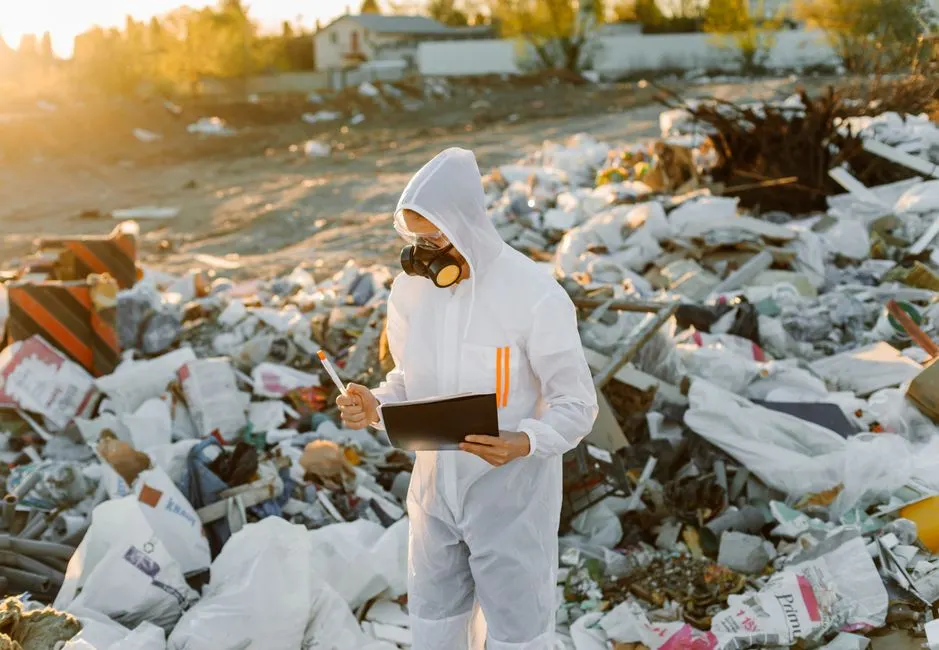
The health risks of a sewage backup in North Hills California are real, immediate, and often underestimated: raw sewage carries E. coli, Salmonella, hepatitis A, norovirus, and parasitic worms like Giardia, and a single splash to the eyes, mouth, or an open cut can put you in urgent care within 24 to 72 hours. Sewage cleanup in North Hills California health risks and safe removal steps come down to one rule - assume everything the water touched is contaminated until it has been physically removed, disinfected, and dried. This guide walks through what is actually in that water, who is most at risk, and the exact sequence our technicians follow to make a North Hills home safe again.
What makes sewage backup so dangerous
Sewage cleanup in North Hills, California is a Category 3 water loss - the classification the IICRC gives to water that is grossly contaminated with human waste and pathogens. Category 3 water is not something you mop up and forget. The contamination is biological, and it multiplies.
Black water from a sewer line typically contains 10,000 to 100,000 colony-forming units of bacteria per milliliter. That is roughly 100 to 1,000 times the bacterial load of a clean supply-line leak. Every surface the water touches - grout, drywall paper, baseboards, carpet backing, the underside of a vanity - holds that load until it is either removed or chemically neutralized.
What makes it worse in a home is the moisture that stays behind. Sewage-soaked drywall can begin growing mold in 24 to 48 hours at typical indoor temperatures of 68 to 75 degrees. By day three, you are dealing with two problems: bacterial contamination and airborne mold spores.
Health risks of sewage backup in North Hills California
Health risks of sewage backup in North Hills California fall into three buckets: direct infection, respiratory illness from aerosolized pathogens, and chemical exposure from the cleaning products people reach for when they panic. Each one has a different timeline.
Direct infection and gastrointestinal illness
The most common outcome of handling sewage without protection is gastroenteritis. Symptoms - vomiting, diarrhea, stomach cramps, low-grade fever - usually show up 12 to 48 hours after exposure. Norovirus alone can infect a person with as few as 18 viral particles, which is why a single contaminated hand towel can sicken an entire household.
Hepatitis A is rarer but more serious. It has a 15 to 50 day incubation window, which means people often do not connect the illness to the backup that happened weeks earlier.
Respiratory and skin exposure
When sewage sits, it releases hydrogen sulfide and ammonia. In a closed bathroom or basement, those gases can irritate the eyes, throat, and lungs within minutes. People with asthma or COPD feel it first.
Skin contact is the other route. Any cut, scrape, or eczema patch is an open door. Leptospirosis, a bacterial infection spread through sewage-contaminated water, enters through broken skin and can cause fever, muscle aches, and in severe cases kidney damage.
Who is most at risk
- Children under 5 - they crawl on floors and put hands in mouths.
- Adults over 65 - weaker immune response to the same bacterial load.
- Pregnant women - listeria and hepatitis A carry elevated risk.
- Anyone immunocompromised - chemotherapy patients, transplant recipients, people on biologics.
- Pets - dogs and cats walk through it, then lick their paws.
If anyone in your household fits one of those categories, do not attempt any part of the cleanup yourself. Move them to a different part of the house, close the door, and call us.
Why North Hills properties back up more than you'd expect
North Hills sits on a mix of 1950s ranch homes, mid-century apartment buildings, and newer infill construction, and the plumbing reflects that patchwork. Cast iron drain lines installed in the 1950s are now 70 years old. They scale, they pit, and their inner diameter shrinks from 4 inches to as little as 2.5 inches over decades of use.
Add the seasonal pattern. The San Fernando Valley gets most of its rain between December and March. When a heavy storm hits, the city sewer main in older North Hills neighborhoods can surcharge - meaning the main fills faster than it can drain, and the water has nowhere to go but up your lowest drain. We see this most often in homes near Water Damage Restoration in Sepulveda Basin, where the ground water table rises after sustained rain and puts extra pressure on aging lateral lines.
Tree roots are the other constant. Ficus and sycamore roots in North Hills yards find the smallest crack in a clay or cast iron lateral and grow into it. By the time you notice a slow drain, the root mass can be the size of a fist.
If your backup came from a toilet rather than a floor drain, the cleanup protocol is slightly different - see our toilet overflow cleanup in North Hills, California page for the specifics of that scenario.
Safe sewage removal steps in North Hills CA
Safe sewage removal North Hills follows a fixed sequence. Skipping or reordering steps is how people get sick and how homes end up with recurring mold. Here is what our crews do, in order.
Step 1: Stop the source and isolate the area
Shut off water to the affected fixture if the backup is still flowing. Do not run any other water in the house - no showers, no laundry, no dishwasher. Close the door to the affected room and tape a towel along the bottom gap. Keep kids and pets out.
Step 2: Personal protective equipment before anyone enters
Our technicians suit up before they open the door: N95 or P100 respirator, nitrile gloves under rubber gauntlets, Tyvek coveralls, sealed eye protection, and rubber boots. If you are reading this because you are about to walk into a backed-up bathroom, put on a mask and gloves first. A surgical mask is not enough - the particles are too small.
Step 3: Extract the standing water
We remove standing sewage with truck-mounted extraction units and wet vacuums rated for Category 3 water. A standard shop vac is not appropriate - it aerosolizes pathogens and contaminates the motor housing. Extraction typically takes 1 to 3 hours for a bathroom backup and 4 to 8 hours for a finished basement.
Step 4: Remove unsalvageable materials
This is the step homeowners resist most, and it is the step that matters most. Porous materials that touched Category 3 water cannot be cleaned - they have to go. That means:
- Carpet and pad, cut 12 inches past the visible wet line.
- Drywall, cut 12 to 24 inches above the water line.
- Baseboards and door casings in the affected room.
- Insulation inside the wall cavity.
- Any upholstered furniture that sat in the water.
Hard surfaces - tile, concrete, framing lumber, metal fixtures - can be disinfected and kept.
Step 5: Disinfect and deodorize
We apply an EPA-registered hospital-grade disinfectant to every hard surface the water touched, then let it dwell for the full contact time on the label - usually 10 minutes. We follow with an enzyme treatment on any residual organic matter and a hydroxyl or ozone treatment to neutralize odor at the source, not just mask it.
Step 6: Structural drying
After disinfection, we set air movers and dehumidifiers and monitor moisture readings daily. A typical North Hills bathroom takes 3 to 4 days to dry to standard. A basement can take 5 to 7 days. We do not pull equipment until the framing reads within 2 percentage points of a dry reference sample.
Step 7: Repair and rebuild
Once the structure is dry and verified, drywall, baseboards, flooring, and paint go back in. We handle the whole sequence so you are not coordinating three different contractors.
If the backup sat for more than 48 hours before you called, we also run an antimicrobial fog and check the adjacent wall cavity for mold growth. For homes where mold has already established, our mold remediation after water damage in North Hills, California team handles the containment and removal.
What to watch out for: common mistakes after a sewage backup
The mistakes we see most often after a sewage backup in North Hills are the ones that turn a 3-day job into a 3-week job. Here are the ones to avoid.
- Running a box fan or household dehumidifier in the contaminated room. A fan blows aerosolized bacteria into the rest of the house. We use sealed HEPA air scrubbers for a reason.
- Cleaning with bleach and calling it done. Bleach kills surface bacteria but does nothing to porous materials, and it does not penetrate grout or wood. It also reacts with ammonia in sewage to produce chloramine gas.
- Keeping the carpet because it looks clean after drying. Category 3 water contaminates the backing and pad permanently. There is no safe way to save it.
- Waiting to see if the smell goes away. It will not. The smell is a symptom of active bacterial and mold growth inside the wall.
- Filing the insurance claim before documenting. Photograph everything before anything is removed. We provide a full documentation package with moisture readings, photos, and a scope of work for your adjuster.
When to call a professional for sewage cleanup
Call a professional the moment you see sewage water anywhere in your home - there is no safe DIY version of this job. That is not a sales line; it is the position of the CDC and the IICRC, both of which classify Category 3 water as requiring professional remediation.
You should also call us if any of the following is true:
- The backup affected more than 10 square feet.
- The water sat for more than 24 hours before you noticed it.
- The backup came from a floor drain, shower, or toilet on the lowest level.
- You can smell sewage in a room that looks dry - that means it traveled inside the wall.
- Anyone in the home is pregnant, immunocompromised, under 5, or over 65.
Water Damage Restoration North Hills handles sewage backups across the San Fernando Valley, including Water Damage Restoration in North Hills East and the surrounding neighborhoods. We arrive with the extraction equipment, disinfectants, and drying gear already on the truck, so nothing waits on a supply run.
For backups that involve a flooded lower level rather than a single fixture, the scope is larger - our basement flood cleanup in North Hills, California team handles the pump-out, material removal, and full structural dry-down.
Frequently Asked Questions
What are the health risks of sewage cleanup in North Hills California?
The main risks are bacterial and viral infections (E. coli, Salmonella, norovirus, hepatitis A), respiratory irritation from hydrogen sulfide and mold spores, and skin infections through cuts. Symptoms typically appear 12 to 72 hours after exposure. Children, seniors, pregnant women, and immunocompromised people face the highest risk and should leave the area entirely.
How do I safely clean up sewage in North Hills?
You do not - not beyond shutting off the water and leaving the room. Safe cleanup requires a P100 respirator, sealed eye protection, rubber boots, and hospital-grade disinfectant, plus extraction and drying equipment most homes do not own. Call a licensed remediation crew and keep everyone out of the affected area until they arrive.
Is sewage cleanup dangerous in North Hills CA?
Yes. Sewage is classified as Category 3 water, the most contaminated category, and carries 10,000 to 100,000 CFU of bacteria per milliliter. Even brief skin or inhalation exposure can cause illness. Porous materials like carpet, drywall, and insulation that touch it must be removed, not cleaned.
What steps are involved in sewage cleanup in North Hills California?
Seven steps: stop the source, put on PPE, extract standing water, remove unsalvageable porous materials, disinfect all hard surfaces with an EPA-registered product, dry the structure with air movers and dehumidifiers for 3 to 7 days, then repair and rebuild. Skipping the removal or drying step causes recurring mold.
Who should I call for sewage cleanup in North Hills?
Call a licensed water damage restoration company that handles Category 3 losses - not a general handyman or a carpet cleaner. Water Damage Restoration North Hills responds to sewage backups across the San Fernando Valley with extraction, disinfection, and drying equipment on the truck. Call (833) 321-7153.
Get help with Water Damage Restoration in North Hills
A sewage backup is a same-day emergency. The longer it sits, the deeper the contamination goes and the more material has to be torn out. Our team handles the full job - extraction, disinfection, drying, and rebuild - so your home is safe and back to normal in days, not weeks.
Call Water Damage Restoration North Hills at (833) 321-7153 and we will be on our way.